


İnstitute of Graduate Studies - lisansustu@gelisim.edu.tr
For your satisfaction and suggestions   İGÜMER
 İnstitute of Graduate Studies - lisansustu@gelisim.edu.tr

Public Relations And Publicity (Master) (Thesis)


 New Publication from Asst. Prof. Merve Boyacı Yıldırım


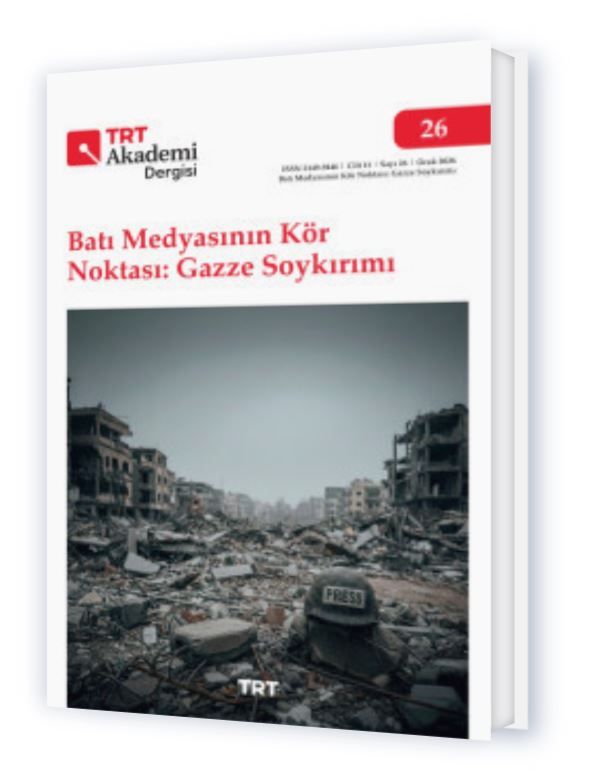
An article by our department faculty member, Asst. Prof. Merve Boyacı Yıldırım, which examines the digital reflections of the Gaza conflict in international media using computational social science methods, has been published in TRT Akademi. The study reveals the relationship between news framing and audience reception by analyzing user comments on YouTube videos from 11 international news organizations.


Comprehensive Analysis of Digital News and Audience Interaction
 
In the digital media age, news consumption and its reproduction by the audience have become a significant focal point of academic studies. The study titled "Digital Witnessing of Public Opinion: Sentiment and Topic-Based Analysis of User Discourses on Gaza in International News," authored by our faculty member Merve Boyacı Yıldırım, contributes significantly to this field from a computational social sciences perspective.
 
Featured in the 2026 issue (Volume 11, Issue 26) of the TRT Akademi journal, the article examines how the frames presented by international media regarding the Gaza conflict resonate with digital audiences. The study utilized YouTube content from 11 different international news channels with high viewership rates as its dataset.

Sentiment Analysis with Natural Language Processing Methods

Moving beyond traditional content analysis methods, the research centers on Natural Language Processing (NLP) techniques. In her study, Merve Boyacı Yıldırım employed advanced analysis methods such as BERT-based sentiment analysis, BERTopic topic modeling, and word co-occurrence networks. Through these methods, thousands of comments on videos containing the keyword "Gaza" were detailed across their emotional, humanitarian, and political layers.

The findings indicate that user reactions are predominantly shaped around negative emotions. In particular, the level of visual violence, tragic stories, and the political stances of news channels significantly influenced the emotional tone in viewer comments. The study presents striking, data-driven results regarding how "emotional publics" are formed in the digital environment.

Bringing a unique perspective to the relationship between framing and reception in conflict reporting, this study has added a valuable resource to the literature for understanding how digital discourse is shaped during times of crisis. We congratulate our faculty member on her academic success and wish her continued success.

You can use the link below to access the full text and citation details of the study.

Article Access: https://dergipark.org.tr/tr/pub/trta/article/1829435
Academic Profile: https://avesis.gelisim.edu.tr/mboyaci